
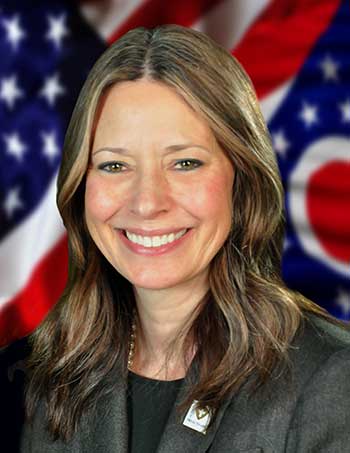
COLUMBUS – Former Ohio health director Dr. Amy Acton, who at one time had her own large fan club but also faced armed protesters outside her Bexley home, is leaving the DeWine administration to return to the Columbus Foundation.
Governor Mike DeWine announced Tuesday that Acton has decided to leave her role as special health adviser to the governor, a post she has held since she stepped down as director of the Ohio Department of Health in June.
She will take over as the foundation’s Director of Kind Columbus effective Sept. 1, according to the charitable organization’s website.
The foundation describes the initiative as being “dedicated to spreading the words and actions of kindness as a defining value for our region.”
“While it saddens me that she will be leaving my office, she has assured me that she is just a phone call away and will be available to continue advising us as we move through this pandemic,” DeWine said.
“Her wealth of knowledge, combined with her calming bedside manner, helped many of her fellow Ohioans. And, in the face of criticism, she remained strong, resolute, determined and brave,” he said.
Acton and DeWine were the objects of protest and legislative backlash after they issued the orders that closed Ohio schools and businesses in the early weeks of the pandemic.
Acton was working as a Community Research and Grants Management Officer at the Columbus Foundation when she was appointed by DeWine to head up the state’s health department in 2019.
Several health officials around the nation have resigned during the pandemic as they also found themselves the target of harsh criticism, some even receiving threats.
Two Republican state lawmakers are introducing new legislation aimed at diluting the authority of future health directors.
Senators Tim Schaffer (R-Lancaster) and Kristina Roegner (R-Hudson) say their bill will allow local boards of health to reject orders from the Department of Health or Ohio Director of Health during periods of emergency “including pandemic, epidemic, and events of bio-terrorism.”
Under the measure, the local board must approve any rejection of state orders by at least a two-thirds majority and must have “collaborative consultation” with the state health department.