
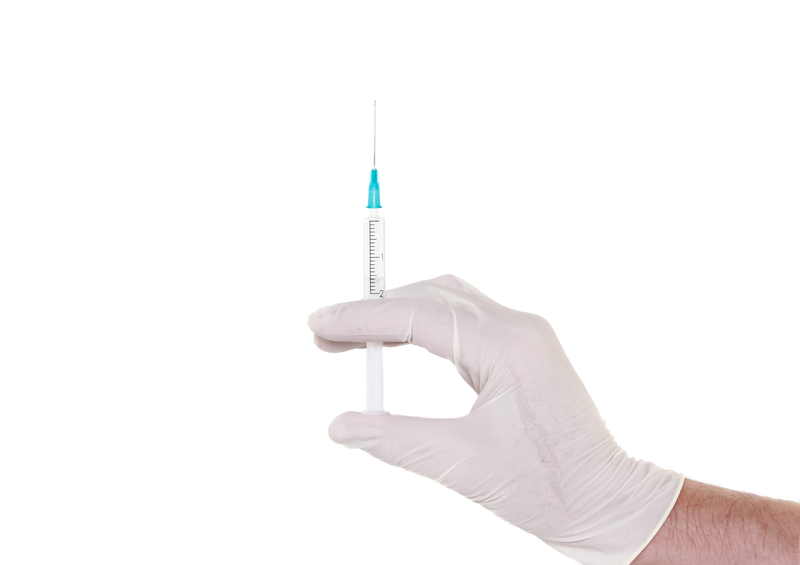
COLUMBUS – Governor Mike DeWine’s announcement of a weekly $1 million prize to entice Ohioans to get coronavirus vaccines is raising questions and objections.
Some Republican and Democratic lawmakers say it isn’t appropriate to use federal pandemic dollars for the lottery, which also will provide five full-ride college scholarships to vaccinated young people but the Republican governor defended the idea on national television Thursday and during his regular pandemic briefing.
“I know there are people that say ‘that’s a terrible waste of money, crazy DeWine. Terrible, terrible waste of money. What’s a waste is, at this point, when we now have the vaccine, and when someone dies of COVID because they didn’t get the shot: That is what is the human waste,” he said.

President Joe Biden’s senior COVID-19 advisor, Andy Slavitt, says anything that draws attention to vaccines is a good thing.
DeWine announced the incentives Wednesday while simultaneously announcing that, due the rising number of vaccinated Ohioans and the falling number of COVID-19 cases, all pandemic-related health orders would be rescinded on June 2, including those governing the wearing of facial coverings, social distancing and attendance limits at events.
The Centers for Disease Control and Prevention is easing mask-wearing guidance for fully vaccinated people, allowing them to stop wearing masks outdoors in crowds and in most indoor settings.
The new guidance still calls for wearing masks in crowded indoor settings like buses, planes, hospitals, prisons and homeless shelters, but it will help clear the way for reopening workplaces and schools.
As of Thursday, 4,293,006 Ohioans, or 36.7% of the state’s population, had been fully vaccinated.
The announcements also came on the same day that the federal government approved the use of the Pfizer vaccine in teens age 12 to 15.
12-15 year olds can now get the Pfizer vaccine from Columbus Public Health by appointment or walk-in. A parent or guardian must be present. Walk in or schedule an appointment at 614-645-1519 or https://t.co/cjW3aQQKUb. pic.twitter.com/YCGrvXrp0t
— Columbus Health (@ColumbusHealth) May 13, 2021
DeWine has announced that Ohio is ending its participation in the federal program providing $300 of weekly pandemic unemployment funds as of June 26.
Multiple states have announced the end of the benefit, which came on top of state unemployment payments.
Business groups said the weekly payment was making it difficult to recruit employees and DeWine agreed, saying that was hurting the economic recovery.
“We’re coming back, but we need to come back as strong as humanly possible, and it’s having an impact and it’s slowing that recovery down,” he said.
Critics of ending the payments say workers have multiple reasons why they might not be returning to the workforce.
“We are far from recovered from the COVID-19 recession. Ohio has 295,000 fewer jobs than the 5.6 million we had in February of 2020,” said Hannah Halbert, executive director of the progressive Policy Matters Ohio, who called the $300 benefit a “lifeline”
“The best way for employers to attract new workers is to pay a good wage and offer decent benefits, she said.
Halbert says about 80% of unemployed Ohioans returned to work before exhausting their unemployment benefits during the final three months of 2020.
The Ohio Department of Job and Family Services says it has distributed more than $10.8 billion in federal Pandemic Unemployment Assistance payments since the coronavirus pandemic began.
The number of Ohioans filing first-time unemployment claims last week ticked upward, bearing out DeWine’s concern that the path to recovery from the pandemic has not been perfectly smooth.
-0-
The state reported 1,161 new cases of COVID-19 Thursday. A total of 1,088,343 Ohioans have been diagnosed with the disease since the onset of the pandemic and 19,441 have died.
There were 91 new hospital admissions Thursday and 935 patients were hospitalized for COVID-19. A total of 57,801 Ohioans have been hospitalized due to the disease.
There were 27,421 active cases and the seven-day positivity rate was 3.5%.