
COLUMBUS – Scientists at Ohio State say a new variant of the coronavirus that causes COVID-19 is present in Columbus, according to a release Wednesday from The Ohio State University Wexner Medical Center.
Experts at the medical center and the OSU College of Medicine have discovered a new variant of SARS-Cov-2, the virus that causes COVID-19, which carries a mutation identical to a strain first reported in Britain, though they say it likely arose from a strain already present in the U.S., the release said.
The researchers also report the evolution of another U.S. strain that displays three other mutations not previously seen together in the virus, said Dr. Dan Jones, vice chair of the division of molecular pathology and leader of the study.
“This new Columbus strain has the same genetic backbone as earlier cases we’ve studied, but these three mutations represent a significant evolution. We know this shift didn’t come from the U.K. or South African branches of the virus,” Jones said.
The new variant was discovered in one patient from Ohio so researchers do not yet know the prevalence of the strain in the population. But, the Columbus strain, dubbed COH.20G/501Y, has become the dominant virus in Columbus during a three-week period in late December and January.
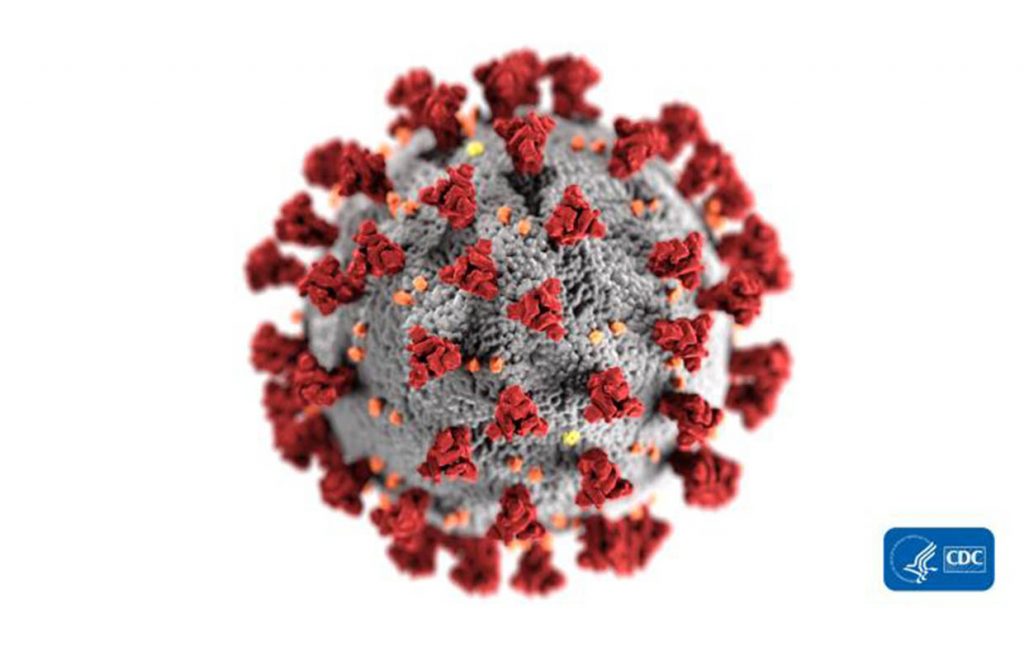
Like the U.K. strain, mutations detected in both viruses affect the spikes that stud the virus’s surface which is liable to make the Columbus strain more infectious than earlier strains, though the researchers say current vaccines will still prevent it.
“At this point, we have no data to believe that these mutations will have any impact on the effectiveness of vaccines now in use,” said Peter Mohler, a co-author of the study and chief scientific officer at the medical center and vice dean for research at the College of Medicine.
“It’s important that we don’t overreact to this new variant until we obtain additional data. We need to understand the impact of mutations on transmission of the virus, the prevalence of the strain in the population and whether it has a more significant impact on human health,” Mohler said.
These findings are under review for publication in BioRxiv as a pre-print.
The Wexner Medical Center has been sequencing the genome of SARS-Cov-2 viruses in patients with COVID-19 since March to monitor the evolution of the virus.