
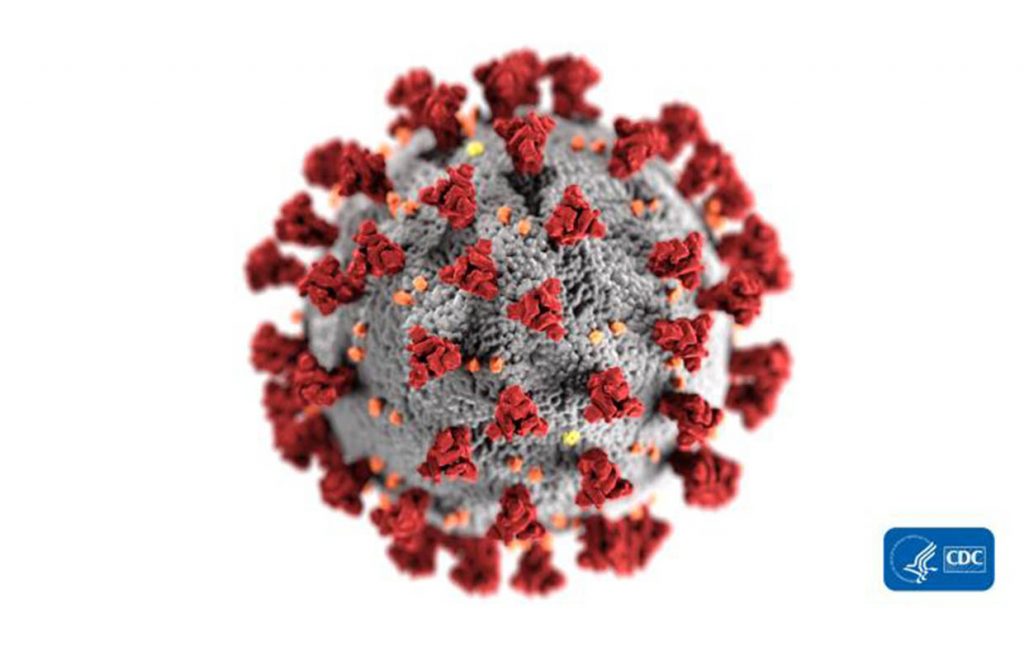
COLUMBUS – Researchers at Ohio State are collecting dust from 50 campus buildings this fall to monitor COVID-19 and track the virus’s variants in an effort to understand where COVID-19 pockets might exist.
Previous research has shown that RNA – part of the genetic material from inside the COVID-19 virus – can persist up to a month in dust so researchers collected dust from residence hall rooms on campus that housed students known to be infected with COVID-19.
Viruses do not remain infectious in dust, leaving only the genetic material behind. Analyzing that offers a noninvasive, low-cost way of monitoring for COVID-19.
“The dust will show if you have even a small number of infected individuals in a building. And because we can sequence that genetic material from the virus that is in the dust, we can also tell what variants are present, and track that on campus as well,” said Karen Dannemiller, senior researcher and associate professor of civil, environmental and geodetic engineering and environmental health sciences at Ohio State
The science behind it essentially starts with a sneeze.
There are a wide range of droplets expelled in a sneeze, and there are droplets, which can contain the SARS-CoV-2 virus that causes COVID-19, that come out when a person talks, sings or breathes.
“Just by being in that room, you are expelling these droplets, and a lot end up on the floor” where they mix with dust, Dannemiller said.
Custodians Ohio State’s facilities management teams will clean the university’s buildings as they usually do but, instead of emptying vacuum cleaners into the trash, cleaning crews will empty vacuum cleaners into plastic bags to be sent to the Ohio State Infectious Diseases Institute’s Applied Microbiology Services Laboratory, which has been processing on-campus COVID-19 tests since the fall of 2020.
The university already is monitoring wastewater on campus for the virus and conducting regular COVID-19 tests
Analyzing dust is “another tool in the toolbox,” Dannemiller said.
Ohio Thursday reported 5,395 new cases of COVID-19, the highest daily increase since January as the delta variant continues to spread. The number of cases per 100,000 residents statewide, less than 20 in July, has risen to 338.1.
The health department reports that 55.65% of Ohioans eligible to receive vaccines are fully vaccinated.
Ohio schools receive more than $6 billion in pandemic relief
A data analysis shows that Columbus will get the largest share of more than $6 billion in federal pandemic relief dollars doled out to school districts in the state.
The review of federal data by The Associated Press found that the median total per district in Ohio is $2.7 million and the median spending per student is over $3,200.
Columbus City Schools received the most of any district, $457 million, followed by Cleveland and Cincinnati.
Many schools used the money to hire more teachers and counselors, purchase equipment and offer summer programs.
Kadee Anstadt is superintendent at Washington Local Schools in northwestern Ohio, calls the money a once in a lifetime opportunity.